









Choosing a Modern Template for Your Next Resume
Modern resume templates offer a fresh and contemporary approach to presenting your professional story. Suited particularly for those in innovative fields or roles that value creativity and forward-thinking, a modern resume can be the key to capturing the attention of prospective employers.
Going with a modern style for your resume is ideal when you’re aiming to showcase not just your qualifications, but also your ability to adapt in the evolving landscape of the modern workplace. This style is especially advantageous for professionals in tech, design, marketing, or any field where staying ahead of trends is valued.
The aesthetic appeal and sleek design of modern resumes can be particularly effective for demonstrating your ability to present information in an engaging, contemporary format. When crafted properly, this is an excellent way to differentiate yourself from other job seekers competing for the same role.
To help you choose the right template, we’ll explore some of the key aspects that define a great modern resume template and offer guidance on the considerations to keep in mind when adopting a modern resume format.
Key Aspects of a Great Modern Resume Template
In an increasingly competitive job landscape, modern resume templates serve as a powerful tool to make a memorable impression on potential employers. With their unique blend of style and substance, these templates can significantly elevate your application. However, it's essential to recognize and understand the key features that make a modern resume template effective. Consider how each of these attributes can contribute to a compelling presentation of your career.
Minimalistic Design
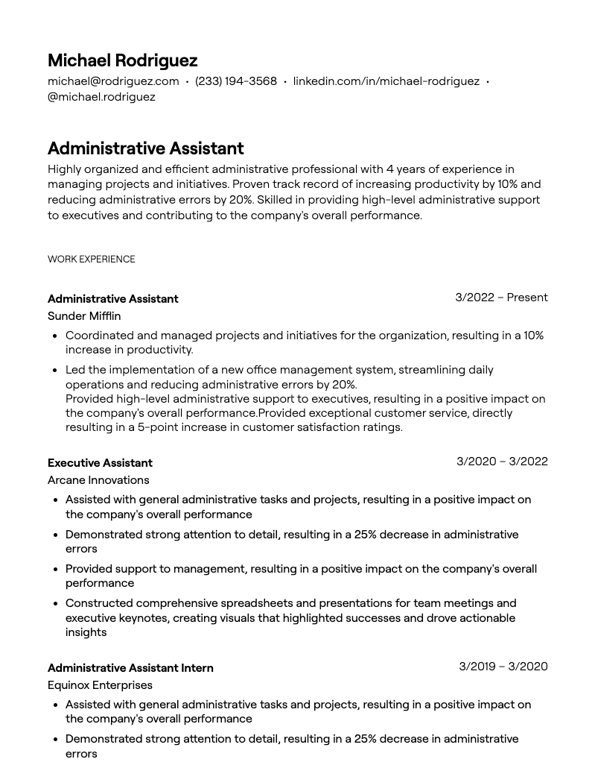
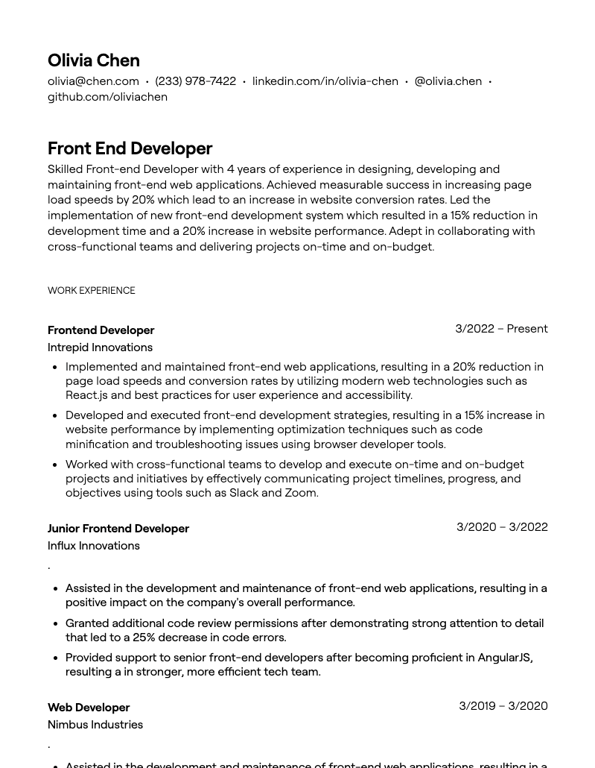
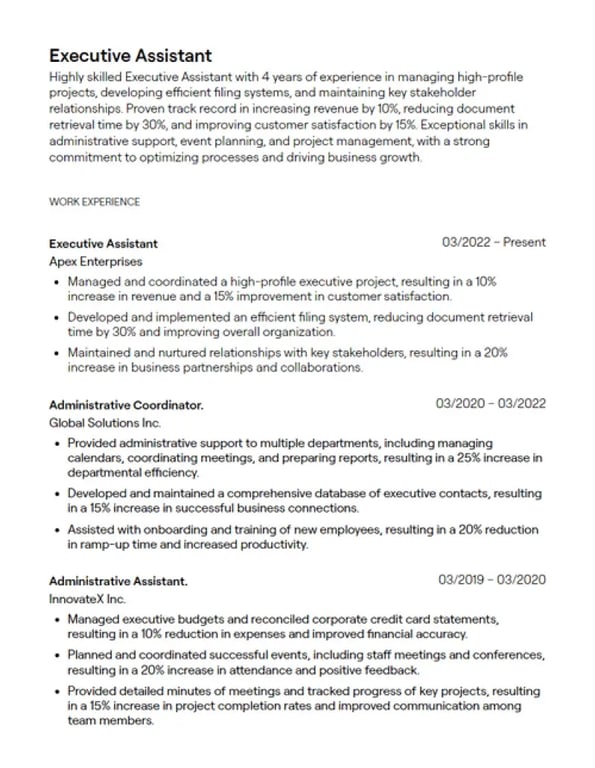
Modern resumes thrive on a minimalist design that prioritizes clarity and readability. This approach ensures that your key accomplishments stand out without overwhelming the reader with excessive details or design elements. For job seekers, this means a clean, uncluttered format that communicates professionalism and attention to detail.
Structured Layout with Strategic White Space
The effective use of white space is a hallmark of modern resume design, creating a structured and uncluttered layout that enhances readability. This aspect involves strategically positioning content and leaving appropriate spaces to prevent overcrowding. It not only makes the resume more appealing but also guides the reader's eye to key information smoothly.
Bold Use of Color
A strategic use of color can set your modern resume apart. While traditional resumes often stick to monochrome, a modern template can feature bold color accents to highlight important sections or details. This should be done tastefully to maintain professionalism while adding a touch of personality.
Dynamic Typography
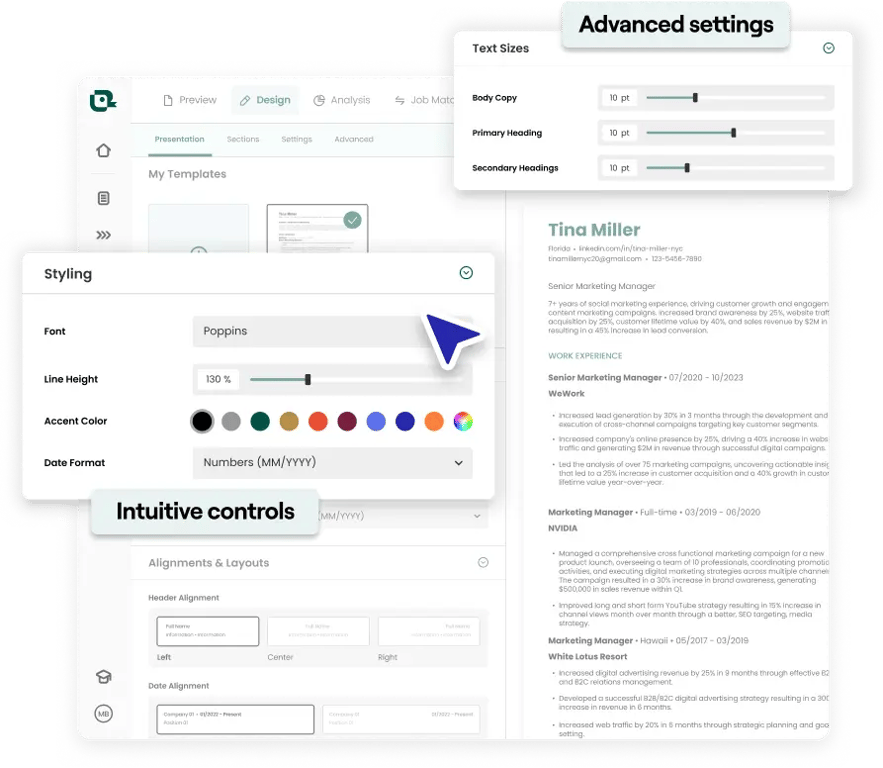
Modern templates often utilize dynamic typography to create a visual hierarchy. This involves using varying font sizes, weights, and styles to guide the reader’s eye to the most crucial information first. It's an effective way to engage the reader and make your resume memorable.
Responsive Design
With the increasing prevalence of digital applications, having a resume that is responsive and easily readable on different devices, including smartphones and tablets, is vital. A great modern resume template ensures that your document looks impressive and maintains its format across various platforms.
Key Considerations for Any Modern Resume Format
Selecting the most suitable modern format for your resume is a crucial step in ensuring it aligns with your career goals and personal brand. It’s about more than just aesthetics; the right format should reflect your professional identity and position you for success in your job search. To aid you in this process, here are key considerations to keep in mind as you choose a modern presentation that’s tailored to your unique situation:
- Industry Relevance: Ensure the template aligns with the norms and expectations of your industry. For creative fields, a bit more flair might be appropriate, whereas more conservative industries might prefer subtler designs.
- Professional Level: Match the resume style with your career level. Entry-level professionals might opt for simpler designs, while executives could choose more sophisticated layouts to reflect their experience.
- Content vs. Design Balance: Strive for a balance between design elements and content. The template should enhance, not overpower, the substantive part of your resume – your experience and skills.
- Customization Flexibility: Choose a template that allows you to easily customize and update your content. Flexibility in adding or rearranging sections is key for tailoring your resume to specific job applications.
- Legibility and Clarity: Prioritize readability. Modern doesn’t mean complex; the font choice, spacing, and layout should all contribute to making the resume easy to read at a glance.
- ATS Compatibility: Consider the Applicant Tracking System (ATS) compatibility. Many modern resumes are parsed through these systems, so ensure the format you choose can be easily scanned by ATS software without losing critical information.