













Choosing a Traditional Template for Your Next Resume
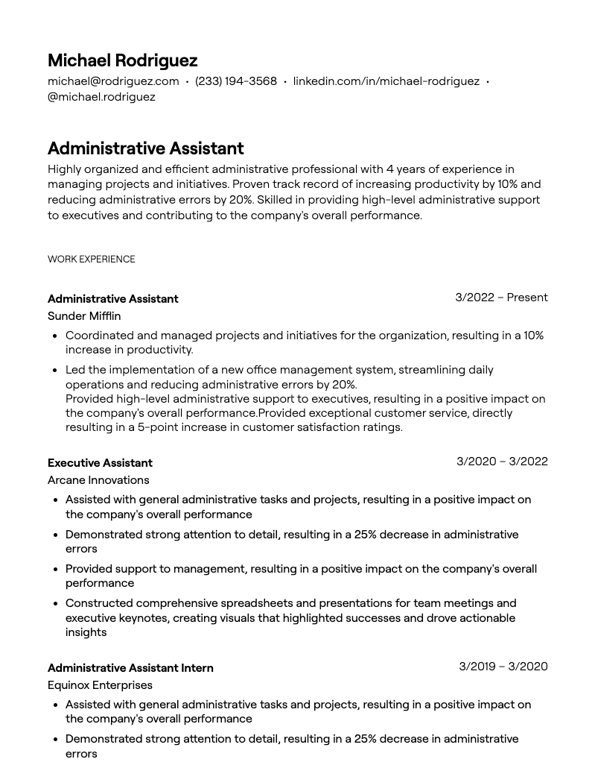
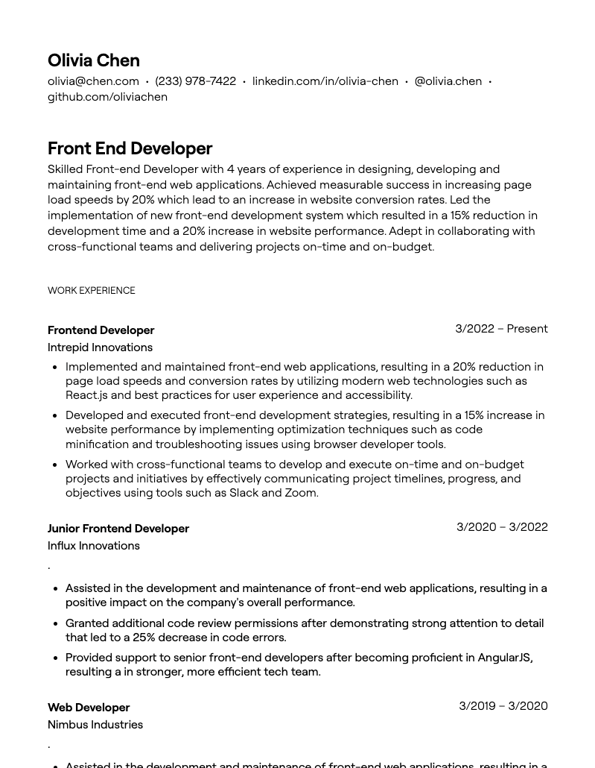
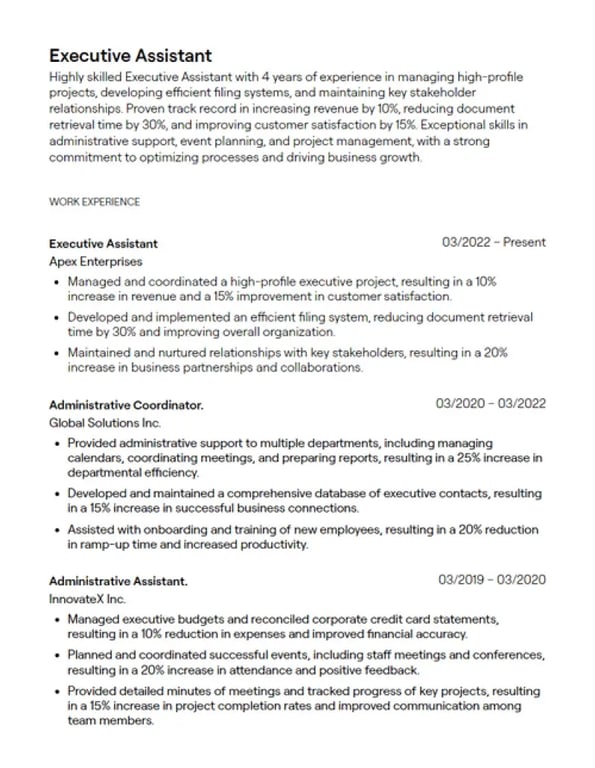
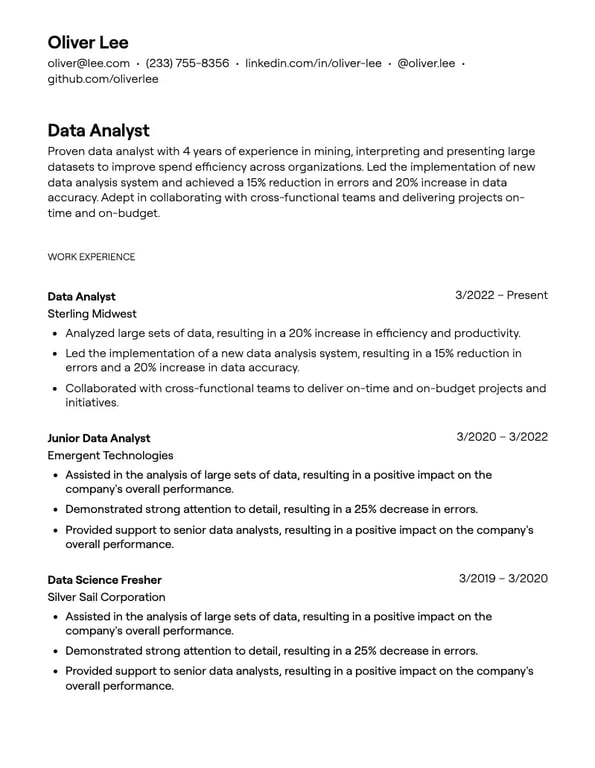
Traditional resume templates are the cornerstone of a classic, time-honored approach to professional presentations. Ideal for those in fields where formality and conventional standards are paramount, such as law, finance, or government, a traditional resume offers a straightforward and dignified way to display your qualifications. This style is particularly effective for professionals who wish to convey a sense of stability, reliability, and respect for established norms.
In the realm of traditional resumes, the emphasis is on substance over style, with a focus on clear, unembellished presentation of your work history and skills. If your aim is to project a no-nonsense, professional image in industries that value tradition and consistency, then a traditional resume template is your ally. It serves as a testament to your respect for established protocols and your understanding of professional decorum.
Let’s explore the characteristics that define a high-quality traditional resume template and discuss the important considerations for selecting a format that aligns with the conventions of your industry.
Key Aspects of a Great Traditional Resume Template
In industries where traditional values hold significant importance, your resume needs to reflect the same. A great traditional resume template is characterized by several key elements that establish a professional tone and present your credentials in a clear, respectful manner. Here are the key aspects of a traditional resume template:
Classic Layout
The traditional resume favors a classic, linear layout. This involves a clear chronological order, with a straightforward structure that guides the reader through your professional history without the distraction of unconventional design elements.
Conservative Typography
Typography in a traditional resume should be conservative and easy to read. Standard fonts like Times New Roman or Arial are preferred choices, reflecting a professional and serious tone.
Subdued Color Palette
Traditional resumes typically use a subdued color palette, often sticking to black and white or muted tones. The focus here is on clarity and readability, with color used minimally and only to highlight key information.
Focus on Content and Achievements
The content of a traditional resume should be concise and to the point, with a focus on achievements and experiences rather than design. Each section should clearly outline your skills, responsibilities, and significant accomplishments in an easily digestible format.
Formal Language
A traditional resume should employ formal language and a professional tone. Avoid colloquialisms or overly casual expressions, as the aim is to demonstrate respect for formal work environments.
Key Considerations for Any Traditional Resume Format
When selecting a traditional resume format, several critical considerations will ensure that your resume not only looks professional but also effectively communicates your experience and suitability for the role. Here are some essential factors to consider:
- Industry Norms and Expectations: Your resume should align with the norms and expectations of your industry. In more conservative fields, adherence to traditional formats is often expected.
- Clarity and Organization: Ensure that your resume is well-organized and easy to navigate. Clarity in section headings and a logical flow of information are key.
- Professionalism over Creativity: Prioritize professionalism over creative flair. The design should be clean and uncluttered, emphasizing the content of your resume.
- Customization for the Role: While maintaining a traditional format, customize your resume to highlight the most relevant experiences and skills for the specific role you are applying for.
- Precision and Accuracy: Attention to detail is crucial. Ensure accuracy in your information and proofread for grammatical and typographical errors.
- ATS Compatibility: Many organizations use Applicant Tracking Systems to screen resumes. Choose a format that is compatible with these systems to ensure your resume is properly scanned and evaluated.